Posts

Showing posts from April, 2025

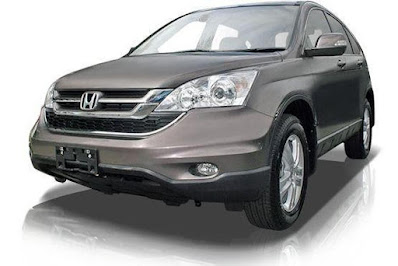
2010s: Honda CR-V – The Rise of the Compact SUV
Image
2010s: Honda CR-V – The Rise of the Compact SUV The Honda CR-V emerged as one of the best-selling vehicles in the 2010s, cementing its place as a favorite among compact SUV buyers. Known for its modern design, practicality, and reliability, the CR-V quickly became a top choice for families and individuals alike who were looking for a versatile vehicle. With its combination of spaciousness, comfort, and efficiency, the CR-V stood out in a rapidly growing market for sport utility vehicles (SUVs). The CR-V’s Appeal: Modern Design and Flexibility Honda's CR-V stood out in the crowded compact SUV market due to its sleek and modern design, which combined utility with style. It was designed to offer the space and functionality of an SUV without the bulk and high fuel consumption typically associated with larger models. This balance of size and efficiency made the CR-V highly appealing to a wide range of buyers, especially those living in urban areas who needed a vehicle that could handl...

2000s: Toyota Corolla – Continued Dominance

Image
  2000s: Toyota Corolla – Continued Dominance In the 2000s, the Toyota Corolla continued its reign as one of the best-selling cars in the world. This compact car, known for its exceptional reliability, fuel efficiency, and overall affordability, maintained its position as a global leader in the automotive market. While other models and brands competed for attention, the Corolla's consistent performance and value ensured that it remained a top choice for drivers around the globe. The Toyota Corolla's Enduring Appeal The Toyota Corolla has always been known for its straightforward design and practicality, and these qualities only became more pronounced in the 2000s. As people sought cars that could meet their daily transportation needs without being overly expensive, the Corolla became an ideal choice. It was designed for individuals and families alike, offering a comfortable ride, good fuel economy, and low maintenance costs. One of the main reasons the Corolla continued t...

1920s: Ford Model T – The American Revolution

Image
  1920s: Ford Model T – The American Revolution Overview The Ford Model T , introduced by the Ford Motor Company in 1908, revolutionized the automotive industry by making automobiles affordable and accessible to the general public. Designed by Henry Ford, the Model T was intended to be an affordable, durable, and easy-to-operate vehicle for the masses.  Impact on the Automotive Industry Before the Model T, automobiles were primarily luxury items for the wealthy, with limited production and high costs. Henry Ford's vision was to create a car that the average American could afford. By implementing innovative manufacturing techniques, notably the moving assembly line, Ford significantly reduced production costs and time. This advancement allowed the Model T to be produced at a rate and price point previously unattainable. citeturn0search9 Production Milestones The Model T's production numbers are staggering: Total Production : Over 15 million units were produced bet...

1990s: Toyota Camry – The Best-Selling Family Car

Image
  1990s: Toyota Camry – The Best-Selling Family Car In the 1990s, the Toyota Camry became the best-selling car in the United States, earning a reputation as a reliable, efficient, and practical vehicle for families. Its combination of modern design, proven performance, and exceptional reliability made it the go-to car for millions of American families. The Camry's rise to prominence in the 1990s marked the continued success of Japanese automakers in the American market, as they steadily gained traction with consumers seeking cars that were not only affordable but also dependable and fuel-efficient. The Appeal of the Toyota Camry The Toyota Camry was first introduced in the early 1980s, but it was during the 1990s that the model truly gained widespread recognition and popularity. With its sleek, modern design, comfortable ride, and dependable reputation, the Camry became a favorite choice among families looking for a car that could meet their everyday needs without breaking the...

Japan’s Compact Car Revolution

Image
  Japan’s Compact Car Revolution The automotive world has witnessed significant transformations over the years, with one of the most influential shifts coming from Japan’s compact car revolution. In the 1960s and 1970s, Japanese automakers began producing small, efficient cars that would go on to change the global automotive landscape. Among these, the Honda Civic stands out as a symbol of Japan’s rise in the automotive world and its impact on car culture worldwide. The Rise of the Compact Car In the post-World War II era, Japan was focused on rebuilding and modernization. As the country’s economy began to boom in the 1960s, the demand for automobiles surged. However, the economic conditions meant that cars had to be affordable, fuel-efficient, and practical, as many people had limited income. Japanese automakers, such as Honda , Toyota , and Nissan , saw this demand as an opportunity to create compact cars that were smaller, cheaper, and more fuel-efficient than the larger, mo...

1980s: Honda Accord – Pioneering Technology

Image
  1980s: Honda Accord – Pioneering Technology In the 1980s, the Honda Accord emerged as one of the most popular and influential cars of the decade. Known for its blend of innovation, reliability, and advanced technology, the Accord was a symbol of Honda’s commitment to producing high-quality vehicles. The car’s success in the 1980s helped to establish Honda as a global automotive leader, particularly in markets like the United States, where it played a major role in the shift towards Japanese automobiles. The Arrival of the Accord First introduced in 1976, the Honda Accord quickly became a standout model, but it was during the 1980s that the car truly cemented its place as one of the best-selling vehicles in the world. In an era marked by rapid technological advancements and a growing demand for fuel-efficient cars, the Accord offered a compelling combination of modern design, practicality, and impressive performance. The 1980s saw the Accord evolve both in design and functio...

The German Engineering Legacy

Image
  The German Engineering Legacy Germany has long been synonymous with precision, innovation, and power in the automotive world. The country's leading automakers — Mercedes-Benz , BMW , and Audi — have become global icons, renowned for producing vehicles that embody excellence in engineering, design, and performance. Over the decades, these brands have set benchmarks in the industry, pushing the boundaries of automotive technology and redefining what it means to drive a luxury or performance car. From their rich history to their cutting-edge innovations, German engineering has left an indelible mark on the automotive world. Mercedes-Benz: The Pioneer of Luxury and Innovation Mercedes-Benz, founded in 1926 , is one of the oldest and most prestigious automotive brands in the world. Its legacy began with Karl Benz , who is credited with creating the first automobile, the Benz Patent-Motorwagen in 1886 . This groundbreaking invention revolutionized transportation and laid the found...

1970s: Toyota Corolla – The Japanese Confidence

Image
  1970s: Toyota Corolla – The Japanese Confidence In the 1970s, the Toyota Corolla emerged as a global symbol of reliability, efficiency, and affordability, making it one of the most successful and widely sold cars of its time. The Corolla's success was built upon Toyota’s commitment to producing high-quality vehicles that offered exceptional fuel efficiency, practicality, and value for money—qualities that resonated with consumers worldwide. The Birth of the Corolla The Toyota Corolla was first introduced in 1966, but it was in the 1970s that the model truly captured the attention of drivers and became one of the best-selling vehicles in the world. At a time when fuel efficiency was becoming increasingly important due to rising oil prices and global economic challenges, the Corolla's small, efficient engine made it an ideal choice for budget-conscious consumers. Toyota's commitment to producing reliable and durable cars was central to the Corolla’s appeal. As the car...

Iconic British Roadsters Through the Decades

Image
  Iconic British Roadsters Through the Decades British roadsters have long held a special place in the hearts of automotive enthusiasts. Known for their timeless style, agile handling, and spirited performance, these cars epitomize the essence of driving pleasure. Over the years, brands like Triumph , MG , and Jaguar have created some of the most iconic roadsters to ever grace the roads, blending engineering excellence with sleek, open-top designs. These British roadsters not only set the standard for their era but also left a lasting legacy on automotive history. Triumph: The British Roadster Legacy Triumph has been a staple of British motoring since the early 20th century. Founded in 1902 , the brand initially produced motorcycles before shifting focus to automobiles. Triumph quickly made a name for itself with sporty, affordable cars designed for the everyday driver, combining British charm with European racing influences. In the 1950s , Triumph introduced the TR series , w...

1960s: Ford Mustang – The American Automotive Legend

Image
  1960s: Ford Mustang – The American Automotive Legend The Ford Mustang , launched in 1964, quickly became one of the most iconic and beloved cars in American automotive history. It symbolized the spirit of the 1960s and captured the imagination of car enthusiasts everywhere. With its bold design, powerful performance, and innovative marketing, the Mustang not only defined the American sports car category but also set the stage for future generations of high-performance vehicles. The Birth of the Mustang The Ford Mustang was introduced on April 17, 1964, during the New York World's Fair, forever changing the landscape of the American automobile market. It was an instant success, as Ford designed it to appeal to a new generation of young, enthusiastic drivers looking for a stylish and affordable sports car. The Mustang’s sleek, fastback design and aggressive stance made it stand out among the sea of cars on the road. The car’s affordability and accessibility played a significant...

Flying Cars: Fact or Fiction?

Image
  Flying Cars: Fact or Fiction? The concept of flying cars has long been a staple of science fiction, captivating the imagination of audiences through films and books. From "The Jetsons" to futuristic predictions, the idea of zipping through the air instead of sitting in traffic has been an enduring fantasy. But is the concept finally becoming a reality? Today, companies like Uber Elevate and PAL-V are working tirelessly to turn this dream into a practical, everyday reality. The idea behind flying cars is not just about having a cool, futuristic vehicle; it promises to completely revolutionize the way we think about transportation. Flying cars would combine the convenience of road travel with the speed and flexibility of flight, allowing individuals to avoid traffic congestion, reach remote areas, and even navigate urban airspace. What Are Flying Cars? Flying cars are envisioned as personal aerial vehicles (PAVs) that can travel both on roads and in the air. These vehi...

1950s: Chevrolet Bel Air – The Icon of American Elegance

Image
  1950s: Chevrolet Bel Air – The Icon of American Elegance The Chevrolet Bel Air of the 1950s stands as one of the most iconic cars of its time, embodying the optimism and exuberance of post-war America. It captured the essence of the American dream with its stunning design, powerful performance, and advanced features, becoming a symbol of style, comfort, and luxury in an era of prosperity and growth. Introduction and Design Introduced in 1950 by Chevrolet, the Bel Air was a full-sized car designed to reflect the evolving tastes of American consumers. It quickly became a key player in the automotive market, combining innovative engineering with an elegant aesthetic that made it an instant favorite. The car's striking design, characterized by its sweeping tailfins, chrome detailing, and sleek curves, made it a visual masterpiece that was unlike anything else on the road. The Bel Air’s unique appearance was heavily influenced by the trends of the 1950s, an era marked by bold fas...

The Future of Hydrogen Cars

Image
The Future of Hydrogen Cars Hydrogen fuel cell technology has been hailed as the next big thing in automotive innovation. With zero emissions and the potential for long-range performance, hydrogen cars offer a promising alternative to battery electric vehicles (EVs). As the automotive industry continues to evolve, hydrogen fuel cell vehicles (FCVs) are emerging as a viable solution to the global push for sustainable transportation. Major Players in the Hydrogen Revolution Brands like Toyota, Honda, and Hyundai are investing heavily in hydrogen fuel cell vehicles. The Toyota Mirai and Hyundai Nexo are prime examples of functional hydrogen cars already on the market. These cars showcase the potential of hydrogen technology by offering impressive range and the convenience of rapid refueling, which takes just a few minutes compared to the lengthy charging times of EVs. Advantages of Hydrogen Cars One of the primary advantages of hydrogen cars is their ability to achieve long driving ranges...